Product Description
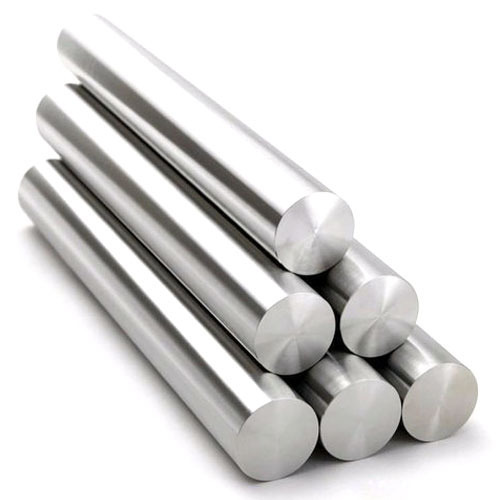
A thin, strong cylindrical metal product called a titanium rod is formed of pure titanium or titanium alloys. It is perfect for chemical, aeronautical, and marine applications thanks to its remarkable corrosion resistance. It is used in medical implants because it is biocompatible. It is appropriate for electronic equipment due to its non-magnetic characteristics. Stability in a wide range of temperatures is ensured by the high melting point. Popular for its durability and aesthetic appeal in jewellery and sporting goods. Titanium rods are essential in a wide range of industries and applications because they provide the ideal blend of strength, lightweight, and durability.
High-strength and light-weight titanium alloys or pure titanium are used to create titanium rod. It has unique qualities that make it valuable in a variety of fields and applications:
Features of Titanium Rod:
1. Weight reduction is important in applications, and titanium is one of the lightest metals, making titanium rods the best choice.
2. High strength: Titanium rods, despite their light weight, have remarkable strength, making them ideal for demanding load-bearing applications.
3. Titanium's inherent oxide layer offers great corrosion resistance, making it exceptionally durable even in challenging settings.
4. Titanium is biocompatible, making it appropriate for use in surgical instruments and implants.
5. Titanium rods have a high melting point and can tolerate high temperatures without compromising their structural integrity.
6. Titanium is non-magnetic, which makes it a good material for delicate electrical equipment.
Benefits of Titanium Rod:
1. Applications in aircraft: Due to its excellent strength-to-weight ratio, resistance to corrosion, and capacity to sustain extremely high temperatures, titanium rods are widely utilised in the aircraft sector.
2. Medical Industry: Titanium rods are useful for medical implants such as joint replacements, dental implants, and bone fixation devices due to their biocompatibility.
3. Marine Environments: Due to its resistance to seawater corrosion, titanium rods are frequently utilised in marine applications.
4. Titanium rods are used in corrosive industrial environments, such as chemical processing plants, where their resistance to chemical agents is essential.
5. Titanium rods are utilised in sporting equipment like bicycles, golf clubs, and tennis rackets. Their strength and light weight help these items perform better.
6. Jewellery & Accessories: Titanium is a preferred material for creating jewellery and fashion accessories due to its visual appeal and hypoallergenic qualities.
In conclusion, titanium rods are a vital material in a variety of industries, spanning from aerospace and medical to marine and sports, thanks to their winning combination of strength, lightweight, corrosion resistance, and biocompatibility.
Exceptional Mechanical PerformanceTitanium rods are renowned for high yield and tensile strength, ranging from 275 MPa to 950 MPa, depending on the grade. Their modulus of elasticity is 105 GPa, and elongation is 20% for Grade 2, making them suitable for high-stress environments while maintaining flexibility and resilience.
Superior Resistance and DurabilityThese rods exhibit outstanding corrosion resistance, even in aggressive environments, due to their nearly pure titanium composition (Ti 99.6%). They remain impervious to oxidation, acids, and seawater, ensuring longevity in both industrial and marine applications.
Manufacturing Standards and Surface OptionsTitanium rods are made according to ASTM B348 and ASME SB348, ensuring international quality. Surface finishes including polished, pickled, or machined are available, tailored to specific application requirements and functional aesthetics.
FAQ's of Titanium Rod:
Q: How can titanium rods be customized for different projects?
A: Titanium rods can be tailored in diameter (6 mm to 100 mm), length (100 mm to 3000 mm), surface finish (polished, pickled, or machined), and grade (Grade 2 or Grade 5) to meet distinct application needs. Custom thicknesses within the standard range are also available upon request.
Q: What are some common uses for titanium rods in industries?
A: Titanium rods are widely used in aerospace, medical (implants & instruments), marine, chemical processing, and automotive sectors due to their strength, corrosion resistance, and biocompatibility. Their versatility makes them reliable for structural, safety, and precision engineering roles.
Q: Where are titanium rods typically manufactured and supplied from?
A: Titanium rods compliant with ASTM B348 and ASME SB348 standards are primarily manufactured, exported, and supplied by leading companies in India, with global distribution to various industrial sectors.
Q: What process is involved in producing titanium rods with different finishes?
A: Titanium rods undergo precision manufacturing processes, including forging, extruding, and machining. Finally, finishing options such as polishing or pickling ensure a smooth, functional surface tailored to either aesthetic or technical requirements.
Q: What benefits do titanium rods provide over other metal rods?
A: Titanium rods offer a unique combination of high strength-to-weight ratio, excellent corrosion resistance, and low density (4.51 g/cm3), making them lighter yet stronger than many other metals. Their durability ensures reliable performance and extended service life.
Q: When is Grade 2 preferred over Grade 5 in titanium rods?
A: Grade 2 titanium is preferred for applications demanding maximum corrosion resistance and moderate strength, such as in chemical processing. Grade 5, with higher strength, is suited for aerospace and high-performance automotive parts where both durability and strength are critical.
Q: What is the typical chemical composition of these titanium rods?
A: The chemical composition features titanium at 99.6%, with trace amounts of nitrogen, carbon, hydrogen, iron, and oxygen, ensuring exceptional purity and performance.
 Mon - Sat 8:00 - 6:30, Sunday - CLOSED



 Send Inquiry
